
Restoring a Natural
Silhouette Through Surgery
Tailored to Your Body Shape
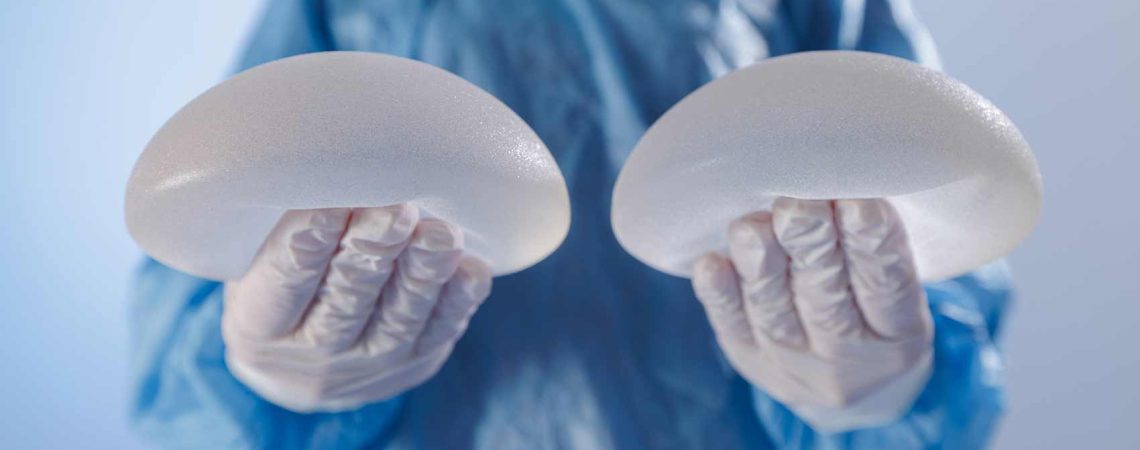
Breast implant removal, also known as breast implant explantation, is a surgical procedure performed to remove breast implants when they no longer meet a patient’s expectations, lifestyle, or body shape. Patients may also consider breast implant removal following a postoperative complication, such as capsular contracture or implant rupture, or because they are experiencing symptoms they associate with Breast Implant Illness (BII). However, after several years with implants, their removal may leave excess skin, loss of volume, or breast sagging, also known as breast ptosis.
In certain circumstances, it may be appropriate to consider combining breast implant removal with a mastopexy, or breast lift. This procedure aims to remove excess skin, reposition the areola and nipple, and reshape the breast tissue to achieve a more harmonious breast contour.
At the clinic of Dr. Mario F. Bernier, plastic surgeon, the choice of surgical technique is based on a careful assessment of each patient’s anatomy, skin quality, remaining glandular tissue, original implant position, and previous surgeries.
The goal is to offer a personalized approach that takes into account the characteristics of each patient’s breasts and individual expectations.
Should the Fibrous Capsule
Be Removed or Preserved?
The decision to remove or preserve the fibrous capsule surrounding the implant rests with the surgeon, as a physical examination is essential to determine the appropriate approach.
The main indications for performing a total capsulectomy include capsular contracture (Baker grade III or IV), calcification of the fibrous capsule, or the presence of textured and/or silicone gel breast implants.
When breast implants are saline-filled and the surrounding scar tissue capsule is very large, a total capsulectomy is not indicated, as this procedure may be extremely difficult to perform without causing collateral damage.
En bloc total capsulectomy as a treatment for Breast Implant Illness (BII) is not recommended by ASAPS (American Society for Aesthetic Plastic Surgery). This procedure is reserved for patients with cancer of the fibrous capsule, known as breast implant-associated anaplastic large cell lymphoma (BIA-ALCL).
For further information, please consult the following statement from The Aesthetic Society:
Why Combine Breast
Implant Removal
with a Breast Lift?
Following implant removal, the breasts may undergo several changes. Skin that has been stretched by the volume of the implants does not necessarily regain its original firmness. The amount of natural breast tissue, skin elasticity, pregnancies, weight fluctuations, and the natural aging process can also influence the outcome.
In some cases, breast implant removal does not require a breast lift. However, depending on the patient’s individual circumstances, the breasts may appear less full, sag, or lose their natural contour in the upper breast and cleavage area.
A mastopexy can address some of these changes by removing excess skin and reshaping the breast tissue. Its main objectives include:
- Correcting breast ptosis and lifting sagging breasts.
- Repositioning the areola and nipple.
- Improving breast shape and symmetry.
- Restoring a more harmonious breast contour.
- Creating a silhouette that better reflects the patient’s wishes following implant removal.
It is important to understand that a breast lift does not replace the volume provided by breast implants. The final result depends, in particular, on the amount of natural glandular tissue remaining after implant removal.
A consultation helps establish realistic expectations and determine whether this combined procedure is appropriate for the patient’s individual circumstances.
Surgical Techniques
for Mastopexy
The breast lift technique is selected according to several factors, including the degree of breast sagging, skin quality, amount of remaining breast glandular tissue, and the position of the implants before their removal.
1. Bipedicle Mastopexy (McKissock Technique)
For certain patients whose implants were positioned behind the pectoral muscle (retropectoral implants), a vertical bipedicle mastopexy using the McKissock technique may be considered.
This approach involves reshaping the breast tissue while preserving the blood supply to the nipple-areola complex through both an inferior and a superior pedicle. The surgeon adjusts the glandular reshaping and skin removal to improve breast position and shape.
The McKissock technique is one of several mastopexy methods used to improve breast tissue support and reposition the areola and nipple. However, its suitability depends on the patient’s anatomy and the surgical options identified during the assessment.
The choice of this approach must take into account previous surgeries, tissue condition, and safety considerations.
2. Glandular Autoaugmentation
Glandular autoaugmentation is a technique that uses the patient’s own breast tissue to improve breast contour following implant removal.
Rather than inserting a new implant, the surgeon reshapes and repositions the remaining glandular tissue to achieve a more balanced distribution of natural breast volume.
The vertical technique may allow the surgeon to reshape the breasts while removing an appropriate amount of excess skin. The procedure takes into account the blood supply to the nipple-areola complex through a superior or superomedial pedicle.
This technique is recommended for patients whose breast implants are positioned behind the breast gland (retroglandular implants).
Not all patients have the anatomical characteristics required for this technique. An individualized assessment is therefore essential to determine whether it is appropriate.
Periareolar, Vertical, and Horizontal Incisions
For breast lift procedures, Dr. Bernier favors periareolar, vertical, and horizontal incisions to achieve a more aesthetically pleasing result.
The technique commonly referred to as the anchor-shaped incision allows for more extensive correction of excess skin and breast contour.
The choice of incision pattern depends on the surgical assessment. As with any procedure of this type, a mastopexy leaves scars whose appearance gradually changes throughout the healing process.
Results After Breast Implant
Removal with Mastopexy
The desired outcome is a breast shape and position that are better suited to the patient’s body proportions, without relying on breast implants.
However, the resulting breast volume depends on the amount of natural breast tissue available. It is therefore not possible to guarantee breasts identical to those achieved with implants or perfect symmetry.
Scars, skin quality, natural aging, and weight fluctuations may also influence the long-term appearance of the breasts.
A consultation with Dr. Bernier provides an opportunity to discuss the results that may reasonably be expected, the limitations of surgery, and the risks associated with the procedure.
A Personalized Assessment
with Dr. Mario F. Bernier
Breast implant removal combined with mastopexy requires careful surgical planning. The choice of technique must take into account the original position of the implants, breast tissue quality, degree of ptosis, and the patient’s goals.
During your consultation, Dr. Mario F. Bernier will assess your individual circumstances, explain the available surgical options, and determine the approach best suited to your anatomy.
If you are considering breast implant removal combined with a breast lift, we invite you to contact the clinic for further information or to schedule a consultation.
Testimonials following breast surgery at our clinic
Céline Enea
24/07/2021
I had a saline breast augmentation in December 2001. It took me a long time to comment VERY POSITIVELY: throughout the process (consultation, surgery, follow-up) A1. My choice was made with Dr. Bernier's professional advice regarding my choice of implants, their size and the consequences. I was a little disappointed that I did not have much leeway on the volume. The maximum for my physiognomy was the 2nd size of the smallest implants... I was a little disappointed but so convinced when he told me "if you want bigger, I won't do them. It's about aesthetics, not size." What sound and knowledgeable advice!!! It gives a good indication of the surgeon's conscientiousness and professionalism. I have never regretted it! Thanks again Doc 🙂
Translated from French
Translated from French
Annie Olivier
08/02/2018
PRICE FOR A BREAST SURGERY
Breast augmentation
Clinical and surgical fees (breast augmentation without scar on breast) anesthesia fees, postoperative bra, and postoperative follow-ups. Sale taxes non-included. *Only a medical evaluation with Dr Bernier can determine if you are an ideal candidate for the surgery. **Price may vary, a medical evaluation with Dr Bernier is required.
Price upon request
Mastopexy (breast lift)
Clinical and surgical fees (3 to 4 hours surgery), anesthesia fees, postoperative bra, postoperative follow-ups. Sale taxes non-included. *Only a medical evaluation with Dr Bernier can determine if you are an ideal candidate for the surgery. **Price may vary, a medical evaluation with Dr Bernier is required.
Price upon request
Breast reduction
Clinical and surgical fees (4 to 5 hours surgery), anesthesia fees, postoperative bra, postoperative follow-ups. Sale taxe non-included. *Only a medical evaluation with Dr Bernier can determine if you are an ideal candidate for the surgery. **Price may vary, a medical evaluation with Dr Bernier is required. ***250g and less per breast (breast reduction for breasts over 250g is covered by the Régie de l’assurance maladie du Québec (RAMQ) and performed by a plastic surgeon in a hospital setting).
Upon request
Inverted nipple(s)
This surgery is only available in conjunction with a breast augmentation.
Breast Implant Removal
with Mastopexy :
FAQ
Breast implant removal combined with mastopexy is performed under general anesthesia. The expected operating time is approximately four hours, depending on the complexity of the procedure and the surgical steps required.
During surgery, the implants are removed, and the surgeon reshapes the breast tissue and removes excess skin according to the selected technique. The areola and nipple are repositioned when necessary.
Surgical planning takes into account the condition of the tissues, existing scars, and the original position of the implants. The exact details of the procedure are explained to the patient during the preoperative consultation.
The initial recovery period generally lasts approximately seven days, although complete recovery takes longer. Postoperative recommendations are tailored to each patient and the progress of her healing.
During the first few days, patients should plan to rest and follow all instructions regarding incision care, wearing the postoperative support bra, and managing discomfort.
Activities should be resumed gradually after the first week. More strenuous physical activities and heavy exertion must be avoided for the period recommended by the surgeon.
A return to regular activities, including sports and strenuous physical exercise, is generally considered after approximately one month, depending on the healing process and the surgeon’s approval.
Scars and breast shape continue to evolve over the months following surgery. The final result cannot therefore be assessed immediately after the procedure.
Patients considering this type of surgery must be non-smokers, including those who vape, for a period of more than six months to one year, depending on the recommendations provided.
It is preferable to wait until all planned pregnancies have been completed.
If you are planning to lose weight or are currently experiencing weight gain or weight loss, it is preferable to reach your target weight before undergoing this type of procedure. Significant weight fluctuations after surgery may affect the results.
Certain medical conditions may be contraindications, particularly diabetes or a history of pulmonary embolism or deep vein thrombosis. Your individual circumstances can be assessed during your consultation with the surgeon.
Dr. Mario F. Bernier's
Cosmetic Surgery and Aesthetic Medicine Clinic — Laval
Only a medical evaluation with Dr. Bernier can determine whether you are a suitable candidate for this procedure. Results and recovery times may vary from one patient to another.
Translated from French